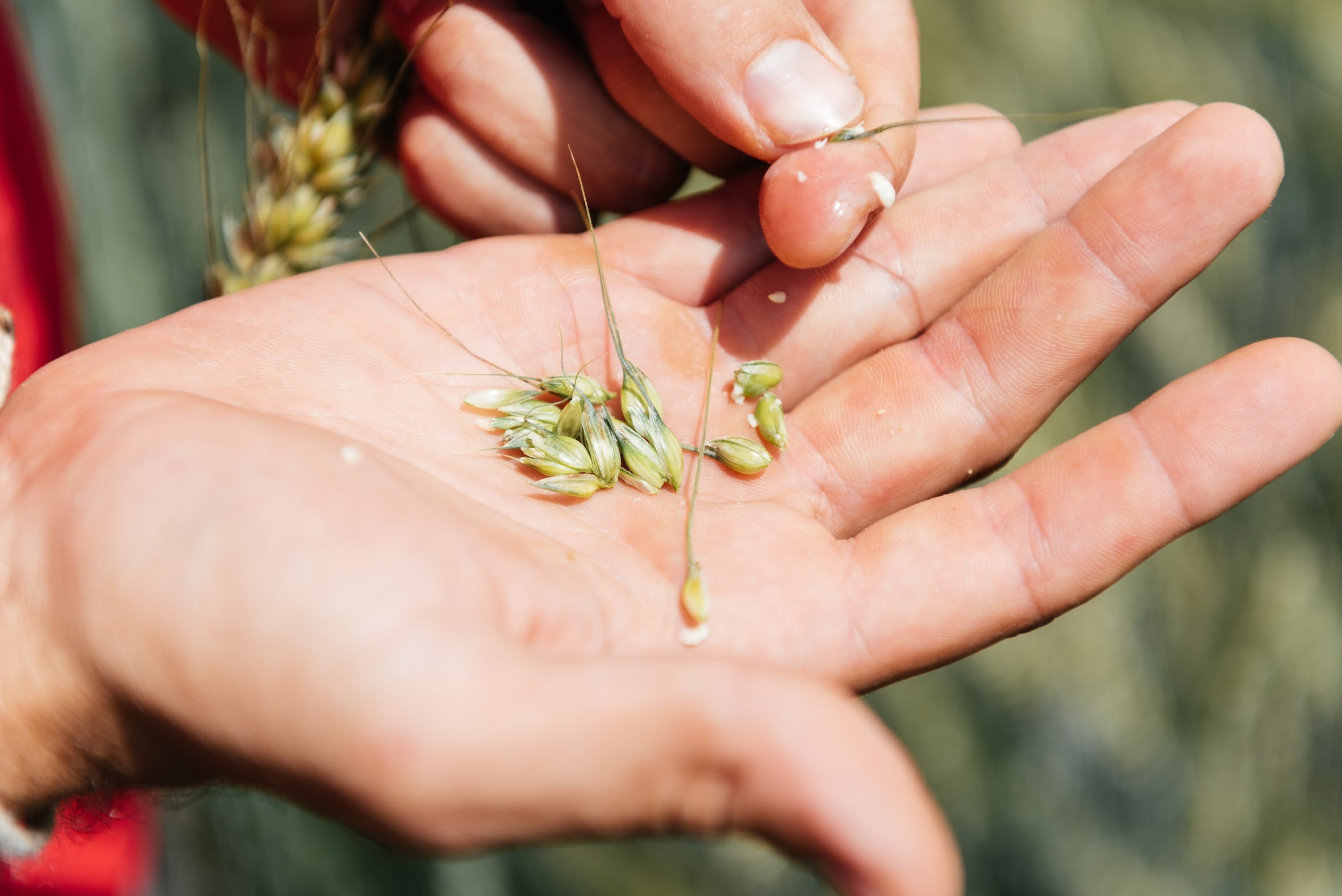
Last month, leading experts from RAGT Seeds and Agrii joined our Technical Lead for Combinable Crops, Tom Wheelhouse, for an insightful discussion on making the best choices to optimise seed performance this season.
Last month, leading experts from RAGT Seeds and Agrii joined our Technical Lead for Combinable Crops, Tom Wheelhouse, for an insightful discussion on making the best choices to optimise seed performance this season.
If you didn’t manage to catch our latest webinar – you can watch it back here.
Following the challenging climatic conditions of the past season, the AHDB has reported a 9% decrease in the UK wheat area and an 18% decrease in winter barley. With such significant reductions, it is more important than ever to discuss the issues we're experiencing and explore strategies to maximise seed potential in the upcoming season.
During the discussion, the team examined:
- The pressures the season has placed on seed stocks for this autumn
- The industry’s approach to seed health
- Opportunities for targeted crop nutrition
- What biostimulants and biosolutions have to offer
- Key recommendations for growers this autumn
The insights and recommendations shared highlighted the impact of wet weather on combinable crops, from planting and establishment through late March and beyond. While crops are not performing at their best, there have been some improvements since earlier in the year.
Meet the Panel
Lee Bennett - Managing Director from RAGT Seeds, overseeing the breeding of 32 different species of agricultural seeds on every continent.
David Leaper - Seed Technical Specialist from Agrii, one of the biggest seed companies in the UK with over 50,000 tonnes of cereal seed production.
The Current State of Seed Stocks
The webinar began with the panellists discussing their experiences this season. David Leaper highlighted the challenges in seed production, noting that many seeds were not planted due to harsh autumn, winter, and spring conditions. The national crop has suffered, and the seed crop is similarly affected. David remarked:
"In some ways, it does tend to affect new varieties more than it does old."
He explained that well-established varieties have a wide distribution of seed growers, whereas newer varieties, with fewer fields, are more exposed to these conditions. He added:
"Some of those varieties that we hoped to get planted didn’t get planted, so there is real pressure on seed supply this autumn."
Lee Bennett agreed on the immense pressure on seed supply, expressing eagerness for the season to end. He also pointed out the difficulty of growing oats, given its lesser popularity compared to wheat:
"Wheat is always the first cereal of choice. Convincing people to grow oats is a difficult ask, but this is also down 39.7% over the four-year average, so seed is going to be tight."
The team noted that this year marks the lowest recorded seed multiplication area since records began in 1991. Lee concluded:
"We're in uncharted territory when it comes to seed supply this time."
Farm-Saved Seed or Certified Seed?
During a poll, the team advised that if growers have seed available on the farm, they should not use it as the first variety to be drilled. David advised:
"These varieties may have been destined for late drilling last autumn and therefore are more suitable for that drilling slot. So, make sure you have the right variety in place this autumn. Don't just rush to use it up."
Testing seeds ahead of time to check germination rates is crucial. If germination rates are not holding, adjust the seed proportionately for the loss by increasing seed rates. David added:
"If growers can’t get the right variety, I think farmers should have that in the back of their mind."
Lee mentioned that during challenging seasons, some growers might turn more to certified seed instead of farm-saved seed, which will create extra pressure on an already difficult growing season. He added:
“One thing with certified seed is that you’re getting what you pay for, as well as a free warranty. You know a retailer merchant that supply the seed who you can make a phone call to.”
Fluctuating Weather Patterns and Seed Health
One of the most pressing concerns in agriculture today is the heightened risk of diseases due to changing weather conditions, with Lee describing conditions as the "Perfect Storm", making it a critical focus for farmers and agronomists.
To combat these challenges, preventive measures such as single-purpose treatments are essential. These treatments are non-negotiable, serving as a foundational step to ensure crop health for the entire season, regardless of initial test results.
Routine use of seed treatments
The panel discussed that the use of fungicide treatments is a standard practice within the certified seed system. These treatments play a crucial role in maintaining plant health and variety purity. They are equally important for farm-saved seeds, helping to control both seedborne and soilborne pathogens.
Recommendations for Seed Health
- Preventive Treatment: Always apply a basic single-purpose treatment to seeds to safeguard against potential diseases, especially under current weather conditions.
- Comprehensive Testing: Conduct thorough germination tests and specific disease tests to determine the health status of your seeds before planting.
- Opportunities for targeted crop nutrition
“Nutritional seed treatments have shown significant promise, particularly in soils with nutrient deficiencies,” said David. Treatments involving high-load nutrients like manganese can provide substantial benefits, especially during the early growth stages of crops.
Recommendations for nutritional treatments
- High-Load Nutrients: Consider using high-load nutritional treatments on soils known to have deficiencies or poor nutrient availability.
- Manganese Treatment: Ensure manganese treatment for soils prone to deficiency to prevent severe crop death.
- What Biostimulants should you use?
Biostimulants, including chemical treatments like phosphites and sedaxane, as well as plant-derived products such as Nuello iN, Newton, and Sunagreen, are gaining popularity. These treatments support early growth stimulation, better rooting, and increased crop establishment, particularly under challenging conditions.
Key Recommendations for this season
Finally the panel wrapped up the webinar with key recommendations for both farmers and growers this season, these include:
- Testing: Test any leftover certified seed for germination and disease, with a focus on true long germ tests and Fusarium testing.
- Planning: Plan for farm-saved seed testing to ensure health and viability before planting.
- Weed Management: Balance early drilling with strategies to manage weed problems, such as black grass.
- Procurement: Secure necessary seed treatments, including fungicides and biostimulants, well ahead of the planting season to avoid delays and ensure optimal crop establishment.
- The webinar included interactive polls and numerous questions from farmers and growers, providing valuable insights into how others in the industry are managing the season's challenges. With top advice from our panel of experts, click to watch the webinar in full here.
Did you know that by participating in our live webinar series, you can earn vital BASIS points? Be sure to keep an eye out for our next webinar in the series.